Do Breakout Spaces Actually Improve Productivity?
As offices around the world evolve to meet the demands of hybrid work models, the question many organizations face is: do breakout spaces actually improve productivity? Companies like Lum Chang Brandsbridge have pioneered modern office fit-outs embracing flexible layouts that support diverse workstyles. Meanwhile, thought leaders at Harvard Business Review underscore that thoughtful office design can significantly impact employee engagement and output. In this post, we’ll explore how breakout space ideas, informed by real workflows and a balance between collaboration and privacy, contribute to employee wellbeing and office productivity.
The Rise of Hybrid Work and Changing Expectations
The pandemic accelerated a seismic shift in workplace cultures globally. Hybrid work—where employees split time between the office and remote locations—has become a standard expectation rather than a perk. This change transforms lorddecor.com the way office spaces are used:
- Reduced dedicated desks: Straightforward fixed seating plans are less relevant as employees don’t occupy the office full-time.
- Emphasis on collaboration zones: Offices now prioritize spaces where employees can come together for brainstorming, project meetings, or informal chats.
- Need for privacy and focus: Despite the social energy in collaboration, there remains a critical need for quiet zones that support deep work.
Within this evolving context, breakout spaces have emerged as a key component of office design strategies. They offer informal collaboration opportunities in a flexible setting that supports well-rounded workflows.
What Are Breakout Spaces?
Breakout spaces are informal areas within an office meant to encourage flexibility, spontaneity, and social interaction. Unlike traditional meeting rooms or fixed cubicles, breakout spaces are often adaptable zones designed for multiple uses such as quick team huddles, solo focus moments, or casual relaxation.
Typical breakout space ideas include:
- Soft seating clusters with lounge chairs and couches
- Standing-height tables for impromptu discussions
- Small pods or booths offering semi-enclosed privacy
- Game or relaxation zones with amenities such as coffee bars or plants
When integrated well, these spaces foster a culture of informal collaboration and employee wellbeing office-wide.
Flexible Layouts and Multi-Purpose Zones: The Lum Chang Brandsbridge Approach
Lum Chang Brandsbridge, a notable player in commercial office fit-outs, exemplifies how flexible design can support hybrid workplace needs. Their projects emphasize multi-purpose breakout zones that can transform between different use cases throughout the day. For example, a corner with modular seating can serve as a casual meeting point in the morning and a quiet retreat for heads-down work in the afternoon.
Incorporating this adaptability is supported by:
- Modular furniture that is easy to move and reconfigure
- Zones with adjustable lighting and acoustic treatment
- Access to technology setups allowing seamless transition between in-person and virtual collaboration
Such thoughtful design leads to higher space utilization, reducing real estate costs while improving user satisfaction.
Designing Breakout Spaces Based on Real Workflows
One common pitfall in office design is shaping spaces based on aesthetics or assumptions rather than actual employee needs. The companies that thrive are those who ground their breakout space planning in real workflow analysis.
Harvard Business Review highlights that understanding the nature of work—whether it favors deep concentration, collaborative discussion, rapid iteration, or casual catch-ups—is crucial to providing the right environmental support. This means collecting data through surveys, interviews, and observation, and reflecting that in the spatial layout.
Workflow-Informed Breakout Zones Include:
Workflow Type Breakout Space Feature Benefit Brainstorming & Creative Sessions Open-plan couches, writable walls, flexible seating Encourages idea sharing and free-form discussion Quick Ad Hoc Meetings Standing tables, small pods with AV equipment Speeds up decision-making and reduces meeting overhead Deep Focus Work Low-stimulus quiet zones, privacy booths Facilitates concentration and reduces distraction Informal Social Interaction Coffee bars, lounge areas with plants and natural light Supports wellbeing and builds social bonds among teamsBy aligning breakout space design to the actual ways people work, companies reduce wasted or underused areas and bolster productivity.
Balancing Collaboration and Privacy
A fundamental tension in modern office design is the balance between spaces that encourage collaboration and those that provide privacy. Breakout spaces offer a middle ground that fosters informal collaboration without sacrificing the need for privacy and focus.
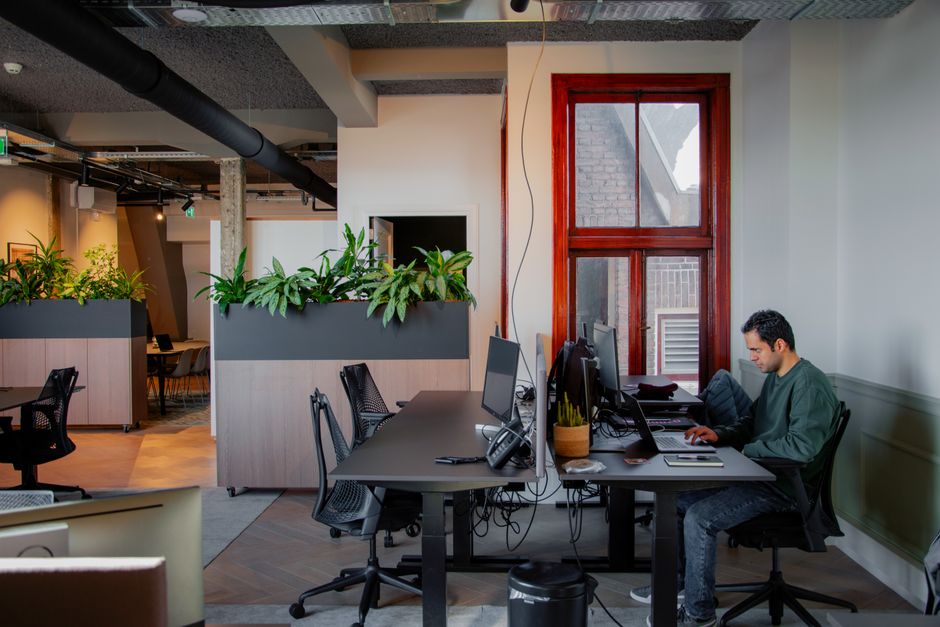
“Open without being open-plan” is a design maxim gaining traction. This means layouts that invite social interaction while incorporating elements such as:
- Acoustic panels and sound-absorbing materials
- Partial enclosures or high-backed furniture to create visual boundaries
- Zoning areas according to noise levels and intended uses
When done thoughtfully, breakout spaces encourage serendipitous encounters and informal collaboration that can lead to innovation. At the same time, they provide sanctuary spots where employees can retreat to recharge or concentrate.

How Breakout Spaces Support Employee Wellbeing and Office Culture
Employee wellbeing office initiatives go far beyond ergonomic chairs and adjustable desks. Designing spaces where employees feel comfortable, connected, and valued directly impacts mental health and engagement. Breakout spaces contribute to this by:
- Encouraging movement: Moving between zones breaks monotony and reduces fatigue.
- Facilitating social connections: Informal collaboration often leads to stronger team bonds.
- Providing mental breaks: Casual chill out spots reduce stress and prevent burnout.
Images shared through platforms like Squarespace CDN showcase inspiring breakout space implementations that merge aesthetic appeal with functional wellbeing design principles.
Conclusion: The Productivity Payoff of Breakout Spaces
So, do breakout spaces actually improve productivity? The answer is a qualified yes—but only when they are thoughtfully designed to support hybrid work workflows, the needs for both collaboration and privacy, and employees’ wellbeing.
Companies like Lum Chang Brandsbridge illustrate how flexible, workflow-informed office layouts that include multi-purpose breakout zones can significantly enhance space efficiency and workforce engagement. Meanwhile, research from Harvard Business Review supports that office environments which balance informal collaboration with privacy foster better outcomes.
Ultimately, breakout spaces are more than just trendy office accessories—they are critical hubs that promote informal collaboration, rejuvenate employees, and adapt to the new ways we work. Investing in breakout space ideas that truly fit your team’s specific workflows will likely yield meaningful productivity benefits.
```