Multi-Zone Mini Split with 2 to 6 Heads: Can I DIY It or Is That a Bad Idea?
Mini splits have revolutionized home comfort, especially for those looking to heat and cool multiple rooms efficiently without the hassle of ductwork. While single-zone systems are often within the reach of determined DIYers, stepping up to a multi-zone mini split — usually involving 2 to 6 indoor units connected to a single outdoor condenser — raises a series of questions https://lilyluxemaids.com/senville-leto-noise-level-is-it-really-under-25-db-indoors/ and challenges. In this article, we'll explore the ins and outs of installing a single condenser multi-zone mini split system, help you understand what makes a mini split truly DIY, and outline crucial considerations to decide if you should roll up your sleeves or call in a pro.
Why Multi-Zone Mini Splits Are Trending
Multi-zone mini splits allow homeowners to independently control the temperature in different spaces such as bedrooms, home offices, workshops, or addition rooms. Brands like Zone Air, Pioneer, and Senville have brought to market multi-zone systems that promise efficient, quiet, and customizable comfort solutions. As the demand for zoned comfort grows, so does interest from DIY enthusiasts wanting to save money by handling installation themselves.
The Appeal of DIY Mini Split Installation
Before we dive into multi-zone specifics, let’s understand why single-zone mini splits have become popular DIY projects. Prices for entry-level single-zone kits, such as those from Zone Air, usually hover around $1,899-$2,499. These kits often include:
- Pre-charged line sets containing refrigerant
- Quick-connect valves on the condenser side
- Clear installation manuals targeted at handy homeowners
The availability of pre-charged, quick-connect refrigerant lines dramatically simplifies installation. With no need to vacuum, connect refrigerant lines manually, or handle refrigerant charging (a highly technical and legally regulated task), single-zone mini splits are almost turnkey for competent DIYers equipped with a few key tools — primarily a drill and a 3-3.5 inch hole saw to run refrigerant lines and wiring through walls.
What Makes a Mini Split Truly DIY?
If you want a hassle-free experience, the system’s design must cater to ease of installation — especially when it comes to refrigerant and line sets. Here’s what to look for:
Pre-Charged Line Sets and Quick-Connects
- Pre-charged line sets: These lines come from the factory filled with the exact amount of refrigerant needed, saving you from dealing with refrigerant safely and legally.
- Quick-connect valves: These valves allow you to connect indoor and outdoor units without specialized tools or refrigerant gauges, reducing risk of leaks.
Systems from some brands, including Zone Air and Senville, now support these features for single zones. However, stepping up to multi-zone systems often means dealing with traditional flare & braze connections requiring professional level skills and EPA certification.
Sizing Considerations: Square Footage and Climate Realities
Proper sizing is critical to ensure comfort, efficiency, and durability of your mini split — and it becomes even more complex with multiple zones.
- Calculate each room’s square footage: Multi-zone mini splits allow you to size indoor units per room or zone, but total indoor capacity must fit the condenser capacity.
- Factor in climate: Colder climates require bigger units or models with enhanced heating capabilities via built-in heat pumps.
- Refer to manufacturer guidance: Pioneer and Senville provide sizing charts and calculators specifically for their multi-zone systems that consider seasonal heat load.
- Don’t oversize: Bigger is not always better; oversized systems cycle frequently, reducing efficiency and indoor comfort.
In multi-zone systems, the condenser’s total tonnage (cooling/heating capacity) must handle the combined BTU load of all connected indoor units, typically 2 to 6. Attempting to combine indoor units that don't match overall capacity can cause performance problems like short cycling or inadequate heating/cooling. This is why professional load calculations are often recommended.
Electrical Planning and Safety
One critical area where novice DIY installers often run into trouble is electrical work. Multi-zone mini splits can draw significant power, and the wiring requirements differ based on system voltage and size.
- 115V vs 230V: Single-zone mini splits are often 115V, which can usually be plugged into standard outlets or dedicated circuits. But multi-zone systems usually require a hardwired 230V connection to support higher power demands.
- Breaker sizing: The size of your circuit breaker must match the condenser’s requirements exactly, often detailed on the unit's specifications label. Over- or under-sized breakers can cause nuisance trips or dangerous overheating.
- Disconnect switch: Local electrical codes commonly require a disconnect switch near the condenser unit for emergency shutdown and servicing.
Working on electrical wiring involves risks including shocks, fires, and code violations. Plus, improper wiring can damage your mini split and void warranties. Many jurisdictions require licensed electricians to perform this work — so DIY electrical work on multi-zone minis should be approached with caution.
Placement Rules for Indoor Comfort and Outdoor Serviceability
Indoor units and the outdoor condenser must be installed following best practices for airflow, access, and maintenance:
Indoor Unit Placement
- Position units high on walls to promote even air circulation.
- Avoid direct airflow blasting onto furniture or bedding.
- Maintain clearance from curtains, ceiling fans, and other obstructions.
- Plan pipe and wiring routes to minimize drilling and wall damage.
Outdoor Condenser Placement
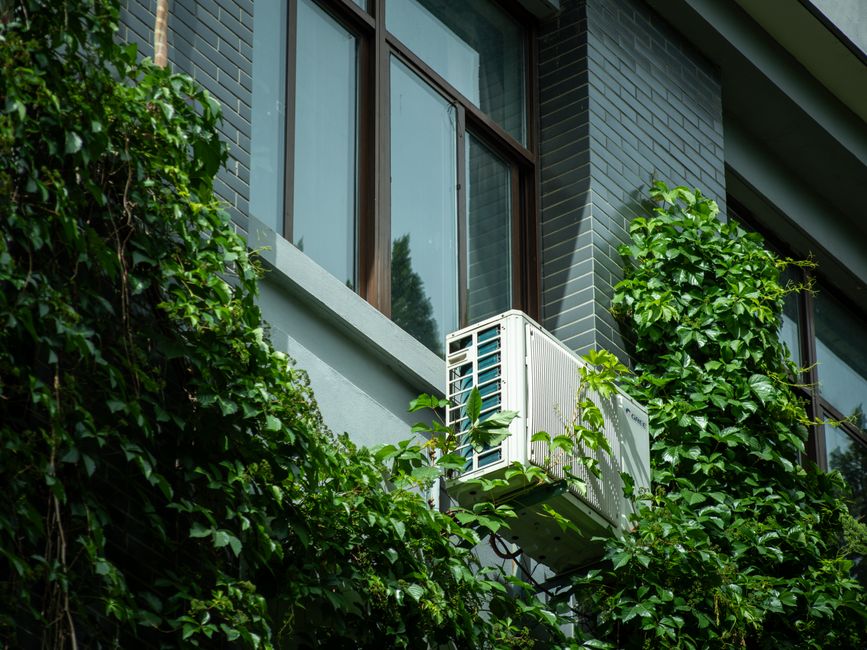
- Install on a level concrete pad or wall bracket away from debris and vegetation.
- Ensure clearance for air intake and exhaust (typically at least 12-24 inches around unit).
- Position for easy future servicing; avoid tight corners or inaccessible crawlspaces.
- Consider noise levels and neighbor proximity.
Combining 2 to 6 indoor heads increases piping length and complexity. You’ll need longer refrigerant lines and drain lines routed efficiently from each indoor unit back to the outdoor condenser area. Every extra foot adds potential points of failure or difficulty.
Is Installing a 2-6 Indoor Unit Multi-Zone Mini Split a DIY Project?
After considering all these factors, here’s the bottom Zone Air mini split compared line:
- Single-zone mini splits with pre-charged line sets and quick-connects, like some Zone Air kits priced in the $1,899-$2,499 range, are quite DIY-friendly.
- 2-6 indoor unit multi-zone systems often require manual refrigerant connections (brazing/flaring), specialized tools, and electrical modifications that exceed the average DIY skillset.
- Professional installation is strongly recommended for multi-zone systems to ensure refrigerant charges are correct, electrical work is safe and code-compliant, and equipment is properly sized and placed.
While enthusiastic DIYers with HVAC experience, proper tools, and electrical qualifications may feel confident undertaking a multi-zone install, the risk of voided warranties, refrigerant leaks, electrical hazards, and poor performance makes professional installation the safer, more reliable choice for most homeowners.

Helpful Tools for Your Mini Split Project
Whether you’re DIYing a single zone or assisting a professional on a multi-zone install, here is a list of essential tools:
Tool Purpose Drill Drilling holes through walls for line sets, electrical conduit, and mounting brackets. 3-3.5 inch Hole Saw Create clean holes for line set pass-throughs and drain lines. Level Ensuring indoor units and outdoor condenser are mounted straight for optimal drainage. Vacuum Pump (Pro Only) Pull vacuum on refrigerant lines before charging on non pre-charged systems. Pinch-off Tool (Pro Only) Secure copper refrigerant lines during brazing. Refrigerant Manifold Gauges (Pro Only) Check pressure and charge levels on refrigerant. Electrical Tester / Multimeter Verify power and circuit continuity for safe electrical connections.Conclusion
Installing a single condenser multi-zone mini split system is undoubtedly attractive for its zoned comfort and efficiency, but jumping into a DIY project involving 2 to 6 indoor units is a significant challenge. If your heart is set on DIY, sticking to single-zone pre-charged, quick-connect systems from trusted brands like Zone Air, Pioneer, or Senville may be a wise starting point.
For multi-zone units, professional installation is highly recommended to ensure proper sizing, safe electrical work, meticulous refrigerant handling, and correct indoor/outdoor placement. This not only protects your investment but guarantees the comfort and reliability your family deserves.
Ready to learn more or discuss your mini split project? Consider reaching out to a certified HVAC professional familiar with multi-zone systems to evaluate your space and needs before buying.
```