What Is a Good Test Load for a New Wire-Handled Box Before I Trust It?
When you're repurposing or reclaiming packaging with wire handles to build storage solutions or carry items, a critical question always bubbles up: how much weight can this wire-handled box really hold? Especially if it’s a delicate mix of vintage boxes, thrift-store finds, or reclaimed grocery tote frames, knowing the safe load limit before trusting the setup will save you from unexpected collapses, damaged goods, or even a sprained finger.
In this how-to, I'll demystify how to give your new or reclaimed wire-handled box a practical load test, combining wire gauge knowledge, anchor inspection, and the right tool usage—think parallel-action pliers and side cutters for precision work. All designed around making your DIY storage feel more like a well-indexed library shelf, not a precarious stack of paperback crates.
Why Testing Load Matters for Wire-Handled Boxes
A wire handle isn’t just decoration. It’s a load-bearing feature that often defines the box’s maximum usability. Without a proper test, you risk:
- Wire snapping due to overloaded stress
- Handles pulling out from weak anchor points
- Box deformation or rancid damage to the packaging material
- Safety hazards from sudden drops
Think of your wire handle like the spine of a book or series in a library—the integrity keeps the system functioning. If one handle fails, the whole box’s value, usability, and safety take a hit.
Understanding Wire Gauge and Load Capacity
The thickness or gauge of the wire will roughly determine how heavy a load it can handle. Household wire handles on boxes often vary from about 16 gauge (roughly 1.3 mm diameter) to as thin as 24 gauge (~0.51 mm). Here’s a quick reference table:
Wire Gauge (AWG) Diameter (mm) Approx. Safe Load per Wire (kg) 16 1.3 Approx. 15 kg 18 1.02 Approx. 10 kg 20 0.81 Approx. 5-7 kg 22 0.64 Approx. 3-5 kgNote: These are ballpark estimates for steel wire assuming clean bends and no weaknesses.
For reclaimed boxes, always assume the wire may be weaker than fresh new pieces due to wear, rust, or previous stress. It’s a good rule of thumb to start testing at about 5 kg before stepping up. If it holds steady, you can work your way up toward the wire’s theoretical max—usually 10 to 15 kg for your typical household gauge wire handled box.
Checking Anchors and Drill Holes Before Testing Load
Before you hang or stack anything, thoroughly inspect the points where the wire meets the box:
- Anchor Points: Wire is often looped and twisted into punched holes, through folded tab anchors, or through riveted sleeves. Look for signs of rust, looseness, or worn holes that might suddenly tear.
- Hole Integrity: Holes that are ragged or torn will rapidly enlarge under load — an instant “weak link” in the chain. If you see any peeling or splintering cardboard or bent metal tabs, reinforce or replace those before testing.
Reinforcing tip: Place a small piece of thin plywood, heavy cardstock, or a metal washer behind the hole on the inside of the box to spread the load. This extra “backing” acts like a bookend, preventing tear-out when you apply force.
Why Parallel-Action Pliers and Side Cutters Are Essential Tools
When you’re prepping these wire handles—tightening bends, adjusting or replacing wire segments, or trimming excesss—you want tools that provide clean, safe work without mangling the structure for your next tests.
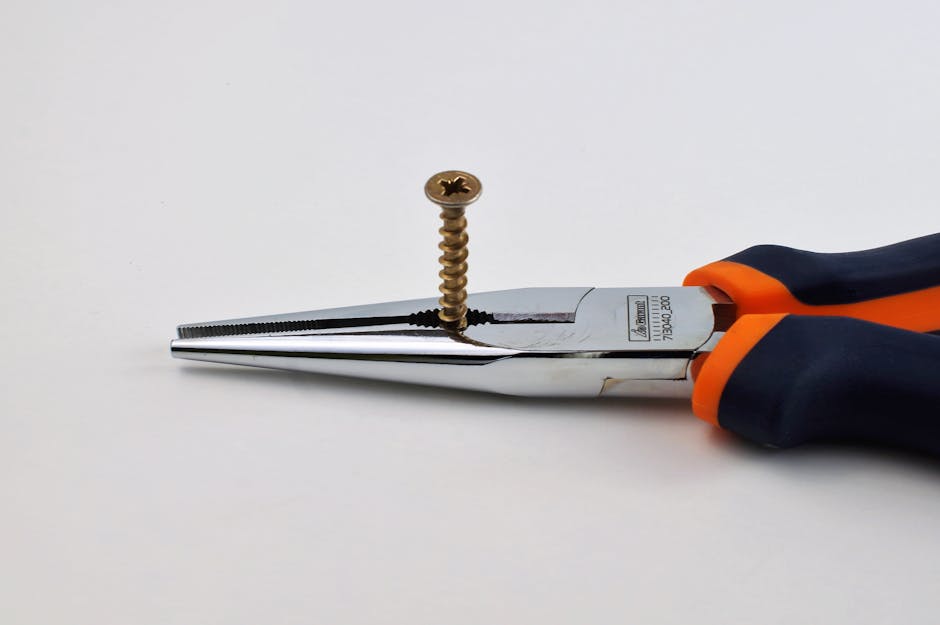
- Parallel-Action Pliers: Unlike ordinary pliers whose jaws pivot causing slippage and uneven pressure, parallel-action pliers close with jaws that remain parallel. This ensures a clean, firm bend or squeeze on the wire without distorting the shape. You'll appreciate the precision especially when you want a tight, neat loop at anchor points.
- Side Cutters: Crisp cuts are a must. Slice the wire cleanly with side cutters that snap through the gauge you’re working on rather than crush or tear. Flimsy floral wire cutters can make ragged edges that easily snag or weaken the wire.
Skimping on the right tools is like trying to shelve books with bent shelves—it’ll never feel reliable.
Step-By-Step: Testing Your Wire-Handled Box for Load Capacity
- Inspect and reinforce anchors: Look closely at the wire anchor points and holes. Add cardboard or plywood reinforcements if needed. If wire looks flimsy or rusted, consider tightening bends or replacing the loop using your parallel-action pliers.
- Initial weight test (Start at 5 kg): Gently add around 5 kg—roughly the weight of about two paperback novels plus a few trinkets—to the box. Let it hang or sit static for several minutes observing for any distortion in the wire or anchor points.
- Check for movement or loosening: Wiggle the box slightly to simulate use. Listen for creaks, watch for anchor deformation or stretching wire. Pay attention to the holes for any widening.
- Incremental load increase: Gradually add weight in 2-3 kg steps up to a maximum goal of 10-15 kg. Each time, repeat the observation and wiggle check.
- Stop if you notice any shifting, widening, or distress: The moment you sense the wire or anchors start to fail, remove the load immediately. Reassess reinforcement or wire replacement before trying again.
Generally, if your box and wire handle survive repeated tests up to 10-15 kg with negligible wear, you can trust it for those loads with a plus or minus 1 mm tolerance on bends and fits.
Additional Tips for Durable DIY Wire-Handled Storage
- Regularly inspect your reclaimed boxes. Environmental factors like humidity or rough handling can degrade wire and anchor integrity over time.
- Consider tightening any slack bends with parallel-action pliers to maintain firm support without risking kinks.
- If you need higher load capacity, look for thicker gauge wire handles, or retrofit handles using sturdier wire you prepare yourself.
- Label your boxes with max tested loads to avoid accidental overstuffing—like spine labels for books!
Conclusion
Giving a wire-handled box a good, methodical test lets you approach storage and reuse with confidence. Start with about 5 kg, carefully inspect anchors and holes, reinforce weak points, then work your way up to 10-15 kg depending on wire gauge and condition. Employing tools like parallel-action pliers and side cutters packagingrevolution ensures your wire bends and cuts stay clean and safe, which makes all the difference in reliability.
Remember, your repurposed wire-handled box is only as sturdy as its weakest link—treat it like a favorite leather-bound volume in your library collection, and it will serve you well for many chapters to come.