Zone Air 45 ft Line Set Example: Does Ordering Exact Length Help?
Planning a mini split installation in a cold-weather region? If you’re eyeing a Zone Air DIY 12K system around the $2,049.99 price range, you’ve probably come across the debate: should you order a single continuous run line set exactly matching your install’s length (say 45 ft), or buy a generic kit with extra length and connections? How does this choice impact reliability, efficiency, and cold-climate performance? Are there DIY shortcuts worth it, or do you still need a pro’s hand? In this detailed guide, I’ll break down the key tradeoffs, while naturally weaving in products from Zone Air, MRCOOL, and Cooper & Hunter, plus expert tips on preventing leaks and choosing between plug-in vs hardwired wiring.
Why Line Set Length and Design Matter More Than You Think
Mini splits rely on copper refrigerant lines (the “line set”) to connect the outdoor condenser to the indoor air handler(s). The two primary refrigerant lines carry liquid and gas phases — and grandmashousediy.com proper sizing and layout are crucial:
- Single continuous run: Minimizes the number of connection points and couplers.
- Fewer connections: Means fewer potential leak points, critical to long-term reliability.
- Cleaner install: Makes for better aesthetics and less vacuum pump time during startup.
Here’s the kicker: many manufacturers, including Zone Air, MRCOOL, and Cooper & Hunter, publish AHRI listings that specify maximum line set lengths and liquid line sizes to ensure rated performance, especially in cold climates down to -22°F. Exceeding those lengths or adding extra couplers can compromise both heating capacity and refrigerant charge accuracy.
Ordering an Exact 45 ft Line Set: Advantages & Hidden Costs
If your mini split is about 45 ft from outdoor to indoor, ordering a pre-flared, pre-charged single continuous line set matching that exact length seems like a no-brainer — fewer joints, nearly tailor-fit, quicker install. Here are the pluses and some surprising realities:
Advantages:
- Reduced leak risk: Every connection you skip means one less slow refrigerant leak waiting to happen.
- Simplified installation: No assembling multiple line segments means less labor, less vacuuming, and fewer torque wrench adjustments on quick connects.
- Neater run: One continuous line set looks cleaner through walls or soffits, improving line hide and home aesthetics.
- Better cold-climate performance: Avoids extra joints that could cause pressure drops or compromise refrigerant flow when the outdoor temps plunge below 0°F, approaching -22°F.
Hidden Costs and Considerations:
- Price premium: Custom-length line sets from Zone Air or Cooper & Hunter can be more expensive up front than generic kits with extra length. Expect potentially 10-20% higher cost.
- Line set handling: Long continuous runs can be harder to maneuver into tight wall chases or around corners without risking kinks.
- DIY skill requirement: While Zone Air markets itself as a DIY brand, remember that field wiring electrical connections might still need a licensed electrician. Plus, torque wrench use on flare nuts to the manufacturer torque spec is non-negotiable for leak prevention.
- Permits and inspections: Don’t forget local permitting! Adding custom line sets may require documentation and approvals, which means time and cost.
Comparing Zone Air, MRCOOL and Cooper & Hunter Line Set Offerings
Feature Zone Air MRCOOL Cooper & Hunter DIY Friendly Yes, with pre-charged lines and plug & play kits; some electrical may still require pros Yes, popular with DIYers for plug-and-play 115V kits More pro-focused; fewer plug-in models; line sets often sold separately Line Set Length Options Pre-cut lengths with some custom offers; max ~50 ft Standard kits with lengths up to 50 ft; some partial custom Mostly standard lengths; custom runs usually by installer Electrical Connection 12K system mostly 115V plug-in; larger models hardwired Many 115V plug-in models; 230V harder on bigger units Tends toward 230V hardwired Cold-Climate Performance Rated to -22°F (some models specified, check exact specs!) -15°F to -22°F on select models Often -5°F to -22°F depending on model and specs Line Set Connections Pre-flared continuous recommended Includes flare nuts and couplers; some DIY-suited Sold separately; installer recommended to customizeThe DIY vs Pro Install Reality
Buying a Zone Air unit for around $2,049.99 packaged as a DIY 12K BTU system looks great on paper. It comes with pre-charged lines and even plug-in electrical options. But here is my veteran take:
- The “DIY” label isn’t foolproof: Most states and localities require a licensed electrician for permanent electrical connections or if you alter circuit breakers. So you might need to call one anyway, which means hidden costs.
- Torque wrench use is critical: Those flare nuts on your line set quick connects must be torqued to specs — over or under-tightening invites leaks. Don’t skimp on buying a quality torque wrench designed for HVAC flare nuts (usually 20-30 ft-lbs).
- Leak checking with soapy water: After your install and vacuuming, a thorough soapy water leak check can catch pinhole leaks around flarenuts, shutoff valves, or line joints before you charge and power on.
- Line hiding matters: Especially with a continuous 45 ft line set, plan routing to minimize visible runs. Countersinking line sets inside walls or soffits both protects lines and preserves curb appeal.
115V Plug-in vs 230V Hardwired: What’s Best for Your Setup?
Many DIY-friendly mini splits (including Zone Air and MRCOOL’s smaller models) support 115V plug-in connections. This is convenient:
- No electrician needed if your outlet is already on a dedicated circuit.
- Great for retrofits or rental properties with limited electrical access.
- Can be moved or swapped with relative ease.
But here’s the catch:
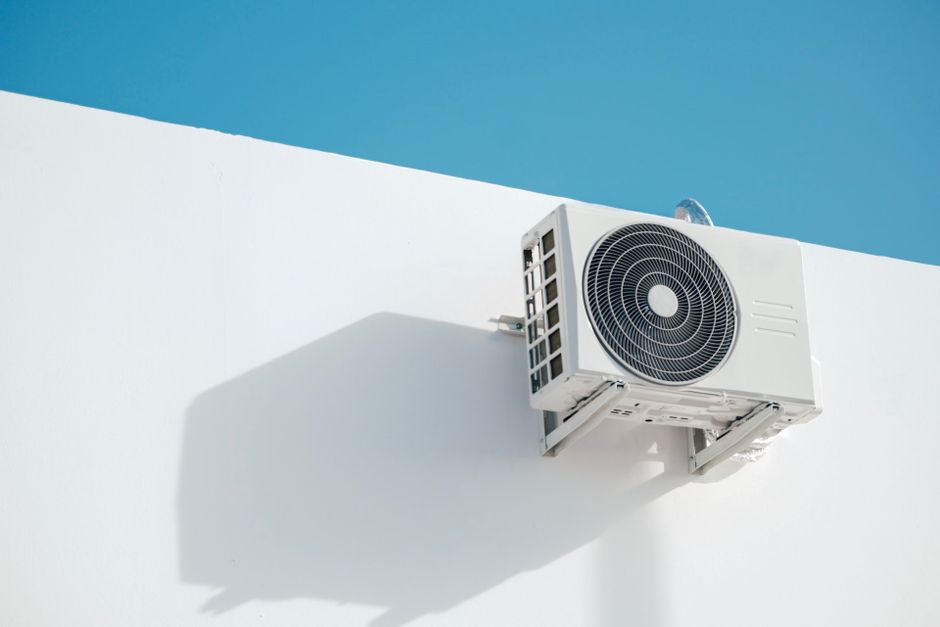
- Larger BTU systems (above ~12K) typically need 230V hardwiring. This tends to be the realm of Cooper & Hunter and some Zone Air models, which complicates DIY installs.
- Hardwired units improve efficiency slightly by reducing voltage drop and circuit breaker losses — small but worth noting for cold-climate performance.
- Always check manufacturer specs; some plug-in kits have max line set lengths, so adding a 45 ft custom line might push voltage and refrigerant pressure outside recommended limits.
Summary: Does Ordering an Exact 45 ft Line Set Really Help?
In my experience managing multiple mini split installs in cold regions, yes, ordering an exact length, single continuous run line set is generally worth it. The upfront cost might be a little higher, but fewer leak points and cleaner installs translate to fewer callbacks and better long-term comfort — especially for a cold-climate rated system designed to work down to -22°F.
However, this benefit is maximized only if you:
- Use the right torque wrench to secure flare nuts properly.
- Perform a thorough soapy water leak check before charging the system.
- Understand that "DIY" often still means at least some licensed electrician involvement.
- Carefully plan your electrical voltage needs—115V plug-in works great for smaller units while 230V hardwired may be needed for bigger homes.
- Account for hidden costs such as permits, line-hide materials, and possibly professional help when needed.
Brands like Zone Air, MRCOOL, and Cooper & Hunter all offer strong product lines, but your choice of line set length and electrical configuration can be just as important to system success as the brand itself.
Final pro tip:
If you want that perfect 45 ft run, call the line set supplier ahead of time. Many will custom-flare, pre-charge, and pressure-test to your exact specs — which can save days of headaches later. And never underestimate the value of a detailed installation checklist that includes torque specs and leak check steps. Your future self will thank you.